Background
The Story Behind
Koding With Kids
Where the program came from, why it matters, and what drives it forward.
Mission Statement
"When I started this program, all I wanted was to help foster students' love for coding."
There are students who would never have encountered coding if it wasn't for this class, and some of those students taught me how they continue after the class ends. Seeing that — a student picking up a skill and running with it on their own — is everything.
I hope to help kickstart a coding passion and help people continue it. I will teach the program and, depending on the size, recruit 1–2 other Horace Mann students to teach alongside me, creating a peer-to-peer learning experience that benefits both the students and the teachers.
The Goal
Kickstart a genuine love for coding in students who might never otherwise encounter it — and build a community that keeps that curiosity alive long after the last class.
My Background
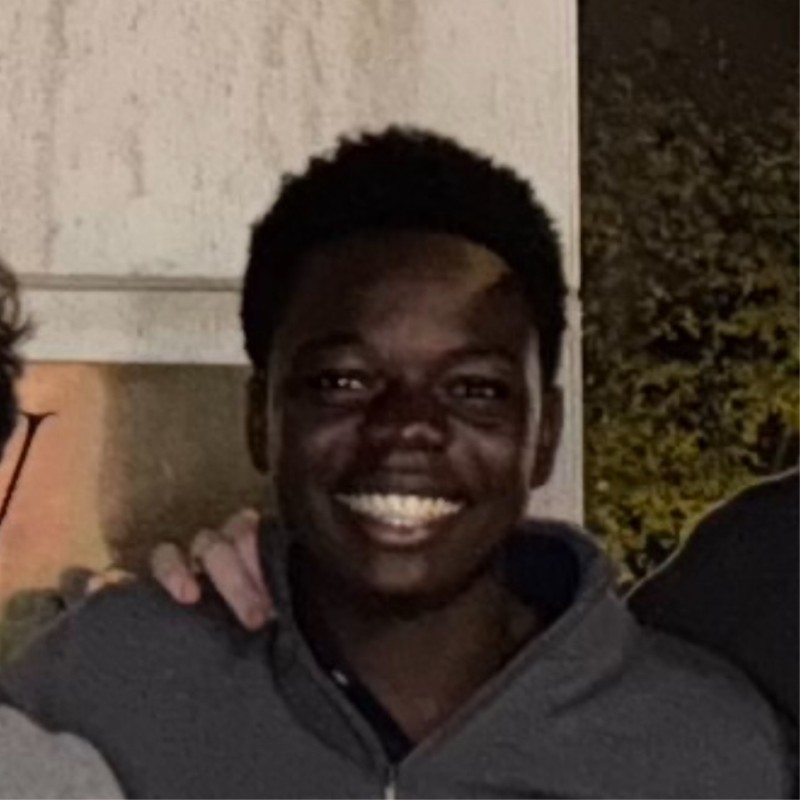
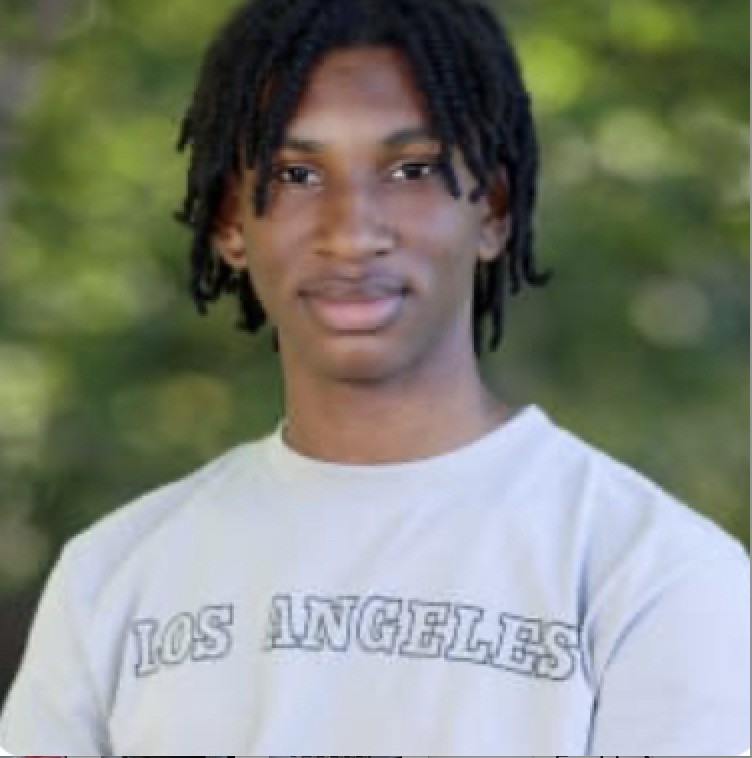
I'm a student at Horace Mann School with a passion for coding and a commitment to making sure that passion is accessible to everyone — not just those who happen to grow up in environments where they're exposed to it.
I've seen firsthand how coding can open doors, build confidence, and spark creativity. I've also seen how many students never get that spark simply because no one lit the match. That gap is something I wanted to do something about.
Horace Mann School
Recruiting 1–2 fellow HM students to co-teach and grow the program together.
New York City
Based in New York City, bringing coding education to students in underserved communities.
Why I Do This
"People think that because of AI there will be no need for coding — but if you don't know how to code, you cannot be involved in building new AI programs."
With the new age of AI, being able to code is becoming more important than ever. But many students in underserved communities are not being introduced to the subject. That's not a small gap — it's a divide that shapes who gets to participate in the future.
With Koding With Kids, my goal is to help inspire younger students' love for coding so that they can innovate and create in this new era of technology. The challenge is clear: if you don't know how to code, you are more likely to be left out of the AI revolution entirely — as a user, not a builder.
I want to change that. I want to expand access to coding across underserved communities so that the next generation of AI builders looks like all of us.
The Bigger Picture
This isn't just about learning to code. It's about making sure every kid has the chance to be a creator — not just a consumer — in the age of AI.
New York Public Library
Description of Program
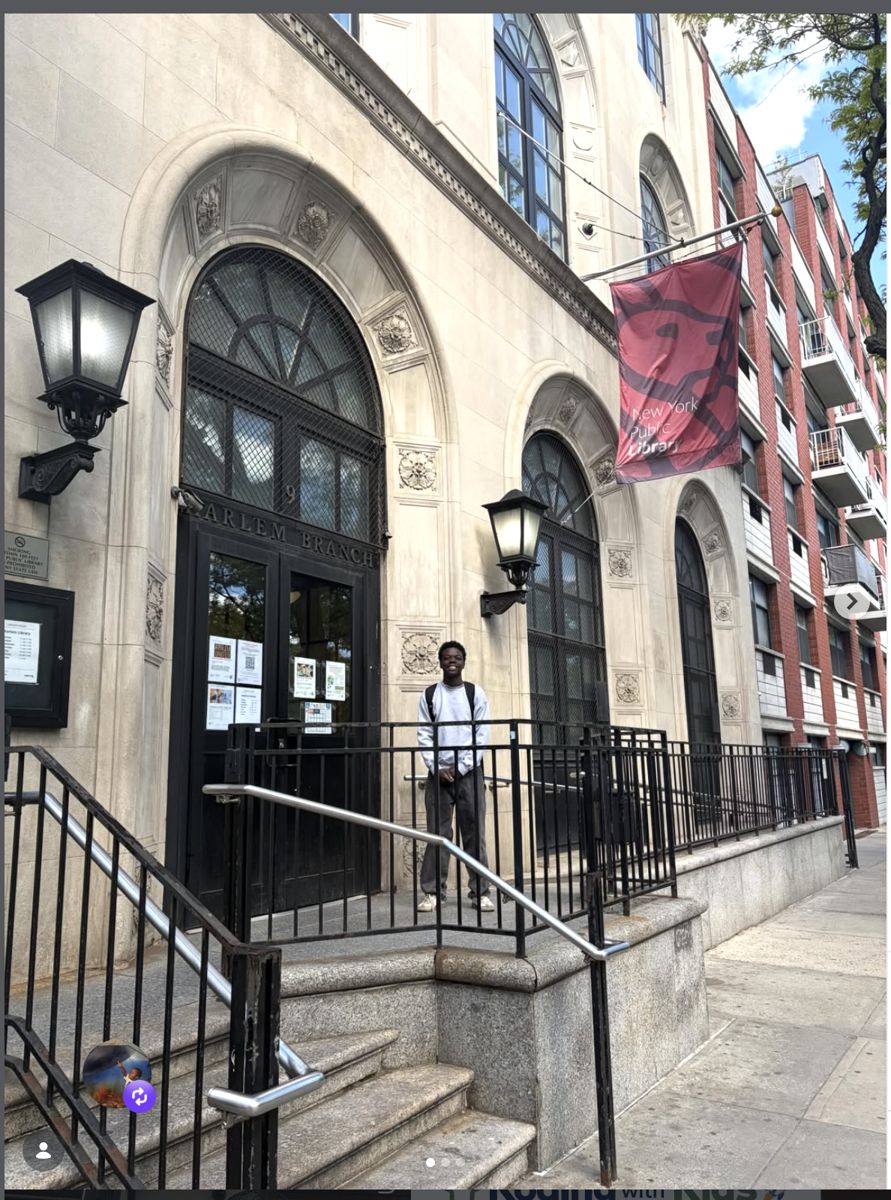
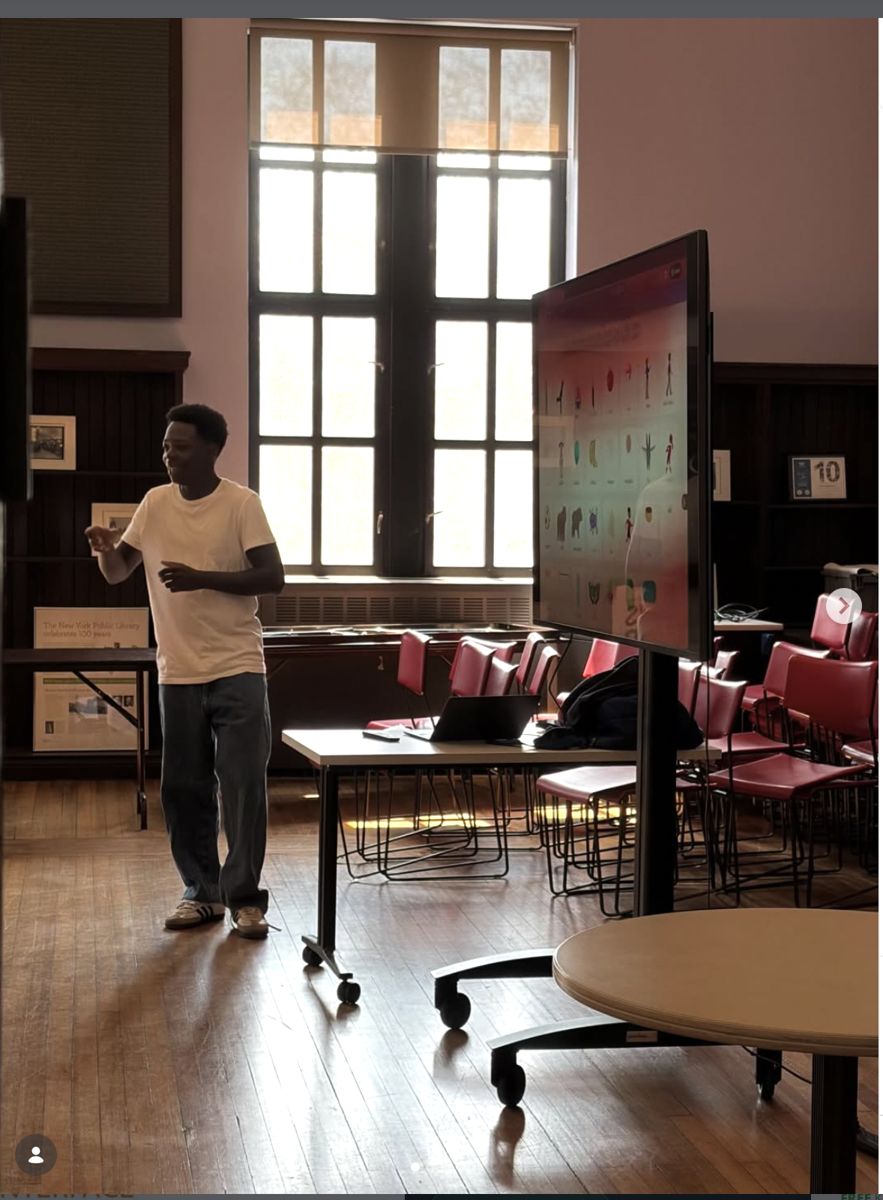
Koding With Kids ran a month of Sunday coding classes at the Harlem branch of the New York Public Library, welcoming around 10 kids each week to learn to code in a relaxed, community setting. The library setting made the program easy to access for local families and gave students a consistent, familiar place to return to each Sunday.
What I Did
I taught students ranging from ages 8 to 12, guiding them from complete beginners all the way to writing real Python code. We started from scratch — literally, using Scratch's drag-and-drop blocks to build an intuition for sequencing, loops, and logic — before transitioning students to Python as their confidence grew.
Running the program weekly for a month meant building real continuity with the kids, adjusting lessons week to week based on what clicked and what didn't, and helping each student progress at their own pace within the same class.
What I Learned
Working with a wide age range in one room taught me how to differentiate instruction on the fly — an 8-year-old and a 12-year-old don't learn the same way, and the best classes met kids where they were rather than forcing a single pace. The library setting also showed me how much a program benefits from a stable, welcoming space that students and families come to recognize and trust.
Ghana Sector
"Teaching at both Love Montessori School and Bishop Girls School was an incredibly rewarding experience that strengthened my passion for making coding accessible and fun."
Over the summer, I led a three-part coding program in Accra, Ghana, teaching around 25 kids across different schools and skill levels. Each session was hands-on, engaging, and focused on creativity and problem-solving.
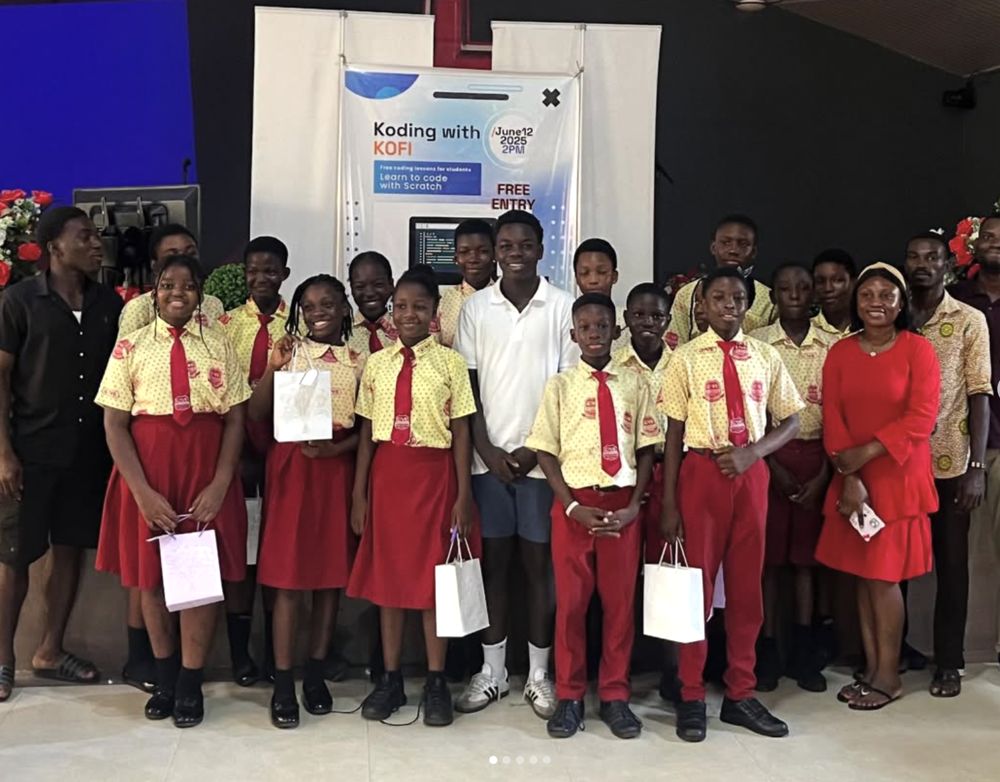
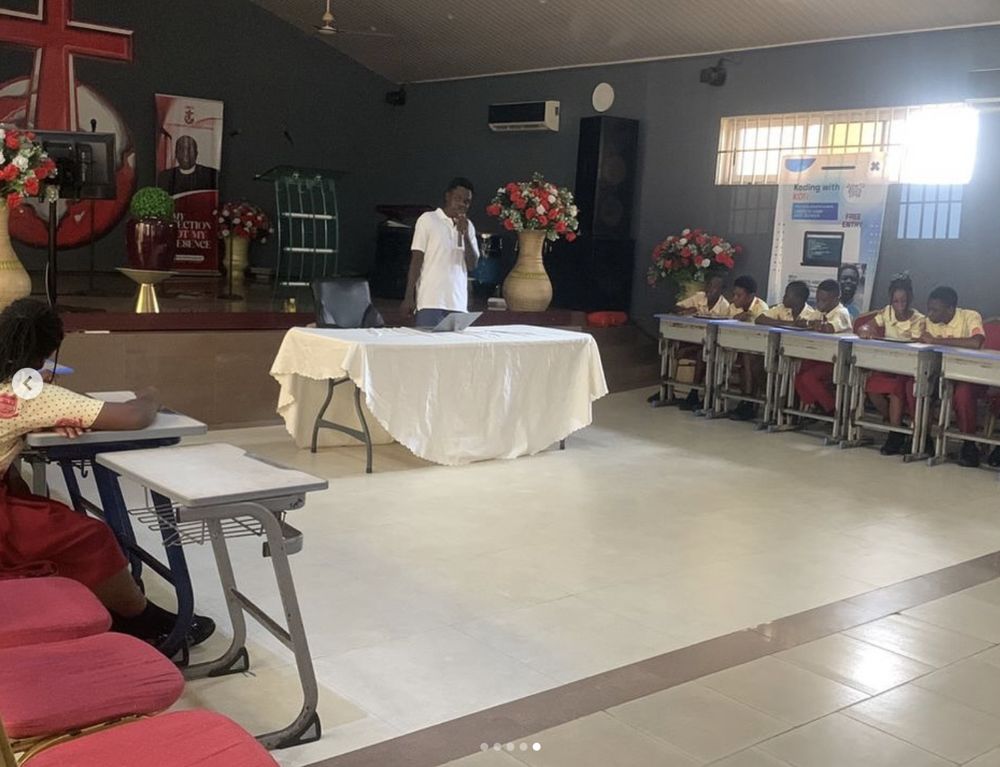
Love Montessori School
Introduced younger students (ages 8–10) to Scratch, helping them build their own interactive games and discover the joy of bringing ideas to life through code.
Bishop Girls School
Taught Python to more advanced students, guiding them as they expanded their coding skills and tackled more complex programming concepts.
What We Taught
Scratch · Ages 8–10
Younger students learned to create interactive games using Scratch's drag-and-drop interface — a perfect first step into computational thinking and creative problem-solving.
Python · Advanced Students
Older and more experienced students leveled up with Python, building real programs and strengthening their understanding of logic, loops, and functions.
🌍 What's Next in Ghana
This experience inspired a commitment to return. The goal is to continue growing Koding With Kids in Ghana — expanding the program to more schools, more students, and deeper engagement — while simultaneously growing programs in the United States.
Harlem YMCA
Description of Program
Koding With Kids ran a summer web development course at the Harlem YMCA, reaching 23 students across two classes with perfect attendance every single day. On day one, a quick survey showed that while every student had heard of coding and knew HTML was on the menu, almost none had gone beyond that — making it a true from-scratch introduction for most of the group.
Students were given laptops to take home each night so they could keep building on their websites outside of class — a big part of why their final projects turned out so detailed and personal.
What I Taught
HTML
Started with the basics of what HTML is and why it matters for building websites, then had students build their first site on a free coding platform — followed by a Kahoot review game to lock it in.
CSS
Introduced Cascading Style Sheets and how fonts, colors, and layout make a site visually appealing. Students practiced on the coding platform, then wrapped up with Flexbox Froggy, which quickly became a class favorite.
JavaScript
Taught students how to make their websites interactive — building things like links and menus — and followed up with another Flexbox Froggy–style game since the interactive learning had been such a hit.
Alexander Capelluto Fund
Every computer used in the course was donated by the Alexander Capelluto Fund. Each one now carries a sticker and tribute recognizing that support.
Final Showcase
To close out the course, each student built and presented a personal biography website to the class — complete with photos of themselves and their families. Watching students who started the course with little to no coding background walk away with a finished, personal website they were proud to show off was the highlight of the summer.
🤝 Looking Ahead
Koding With Kids is continuing its relationship with the Harlem YMCA, with the possibility of additional courses during the school year and in future summers.